
Exploring Pentachronism: A Simple Guide to Seeing Time in Five Ways
Pentachronism is a fresh way to think about time. Most of us see time as just three parts: the past, the present, and the future. But this idea adds more details. It splits time into five parts that all mix together. These parts are the right-now moment, plans for soon, dreams for far away, memories from just a bit ago, and lessons from long ago. When you think about all five at once, you can make better choices. You feel less stress and more in control.
This concept helps people who like to grow themselves, plan their days, or create stories and art. It comes from ideas in old thinking and new brain studies. It shows how our minds always jump between different times. In a world that moves fast, pentachronism can help you stay calm and wise.
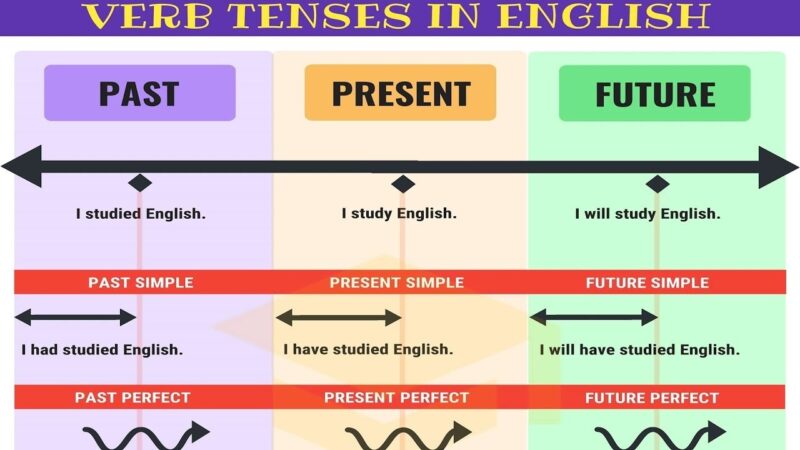
These pictures show ways people draw time lines. They help you see how time can look like layers or circles, not just a straight line.
What Does Pentachronism Mean Exactly?
The word pentachronism comes from Greek. “Penta” means five, and “chronos” means time. So, about five times. It is not a very old word from books or school. It is a new idea from blogs and thinkers. It says our brains work with five views all the time.
Here are the five parts, explained simply:
- The Immediate Present – This is what you feel and do right this second. Like eating food or talking to a friend. It keeps you here and now.
- The Near Future – This covers the next few days or months. Think about your to-do list for tomorrow or a trip next week. It helps with quick plans.
- The Distant Future – This is years or even decades ahead. Like saving for a house, planning for old age, or thinking about what you want to leave behind.
- The Recent Past – Memories from the last few days or months. Like what happened at work last week. It gives lessons for today.
- The Historical Past – Older stuff, like your childhood, family stories, or even big history events. It shapes who you are deep down.
These five do not stay separate. They overlap a lot. For example, a memory from last month might change your plan for next week. Or a big dream might make you enjoy today more.
Many people do this without knowing. When you check your phone, you see the now, think about a message soon, remember old chats, and dream of future fun. Pentachronism just gives it a name to use on purpose.
Where Did Pentachronism Come From?
This idea has roots in old thinking. Long ago, people in different places saw time in many ways. Some groups thought time went in circles, not straight. Others planned for many generations ahead.
Modern thinkers helped too. One was Martin Heidegger. He said we always think toward the future while standing in our past. Another was Maurice Merleau-Ponty. He talked about time having “thickness” – many layers at once.
In the 1980s and 1990s, people who study cultures and companies saw this in real life. Some cultures focus more on history. Others on quick wins. Brain science now shows we have different parts of the brain for near and far time thinking.
Today, blogs share pentachronism as a tool for better living. It is not in big dictionaries yet, but it helps many people.
How Pentachronism Helps in Everyday Life
Life can feel rushed. We worry about now or soon too much. We forget old lessons or big dreams. Using all five parts brings balance.
Here are some ways it helps:
- Less Stress: When you think about all times, one problem feels smaller.
- Better Choices: A study in 2020 found people who think this way are 34% happier with big decisions years later.
- More Fun: You enjoy now more when it fits your dreams.
- Stronger Bonds: In families, you meet kids’ needs now, teach for soon, build for later, learn from recent fun, and share old stories.
Look at money. Use pentachronism like this:
- Pay bills today (immediate present).
- Save for a vacation soon (near future).
- Invest for retirement (distant future).
- Fix mistakes from last month (recent past).
- Follow family money habits (historical past).
For health:
- Eat good food now.
- Exercise for energy next week.
- Build habits for a long life.
- Change bad patterns from recent times.
- Honor body wisdom from years ago.
Parents do this naturally. They feed kids now, plan school soon, dream of their grown-up life, remember baby days, and pass on grandma’s advice.
Using Pentachronism for Personal Growth
You can practice this idea every day. It is easy to start.
Follow these simple steps:
- Look at Your Day: Write down what times you think about most. Do you stick in now or worry about soon?
- Add Missing Parts: If you forget dreams, spend time imagining far ahead. Write a letter to your future self.
- Journal Often: At night, note the five parts. What happened today? What for tomorrow? Big goals? Recent lessons? Old memories that came up?
- Make Choices with All Five: Before a big step, ask questions like: Does this help now? Soon? Far away? What does the recent past say? Does it fit my deep values from long ago?
- Review Weekly: Look back and adjust.
Tips to make it fun:
- Use apps for reminders across times.
- Talk with friends about dreams and stories.
- Meditate to feel the present more.
Over time, this builds calm and wisdom. You feel connected to all parts of your life.
Pentachronism in Work and Business
Companies use this too. Big ones like Amazon think of all times.
- They fix customer problems now.
- Plan sales for next quarter.
- Build new ideas for years ahead.
- Learn from recent projects.
- Remember company history.
Studies show companies that balance like this make 47% more money for owners over ten years.
Small teams can do it:
- Daily meetings for now.
- Weekly for soon.
- Monthly for far plans.
- Look at old wins and mistakes.
This helps projects go smoothly. No big surprises.
Some cultures do this well. In Japan, they think of the past, now, and future together. Indigenous groups plan for seven generations.
How Pentachronism Connects to Art Ideas
People sometimes mix pentachronism with art words. But they are different.
Pentimento is from Italy. It means “repent.” In paintings, it is when old layers show through. The artist changed their mind and painted over, but it peeks out later.
Look at famous art.
This is the Salvator Mundi, a renaissance painting that was sold in november 2017 for a record 450.3 million. Many ask is the salvator mundi authentic? Experts argue. Some say yes, Leonardo da Vinci made it. Others say no, because of heavy fixes and changes. You can see pentimento in the hand – the thumb was moved.
Salvator mundi where is it now? It is in private hands, maybe in storage.
Another painting:
This is the Arnolfini Portrait. The arnolfini portrait symbolism is rich. A dog means loyalty. Fruit means wealth. A mirror shows witnesses. It mixes life with future hopes, like marriage.
Sfumato meaning is soft blending of colors, no hard lines. Like smoke.
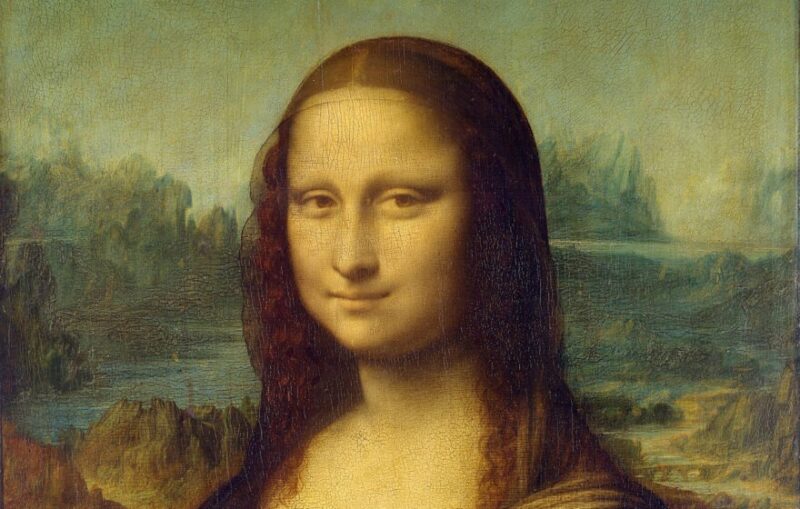
Painting Magic with Sfumato | Artists Network
Leonardo used sfumato in Mona Lisa. It makes things hazy, like time blending.
Spumata meaning might be a typo for sfumato or something else, but not common.
Marouflage is gluing canvas to a wall for big murals. It makes art last long, like historical time.
Pentachronism is about mind time layers. Art shows visible layers. Both show how things overlap.
Man and pregnant woman painting could refer to Arnolfini – some think the woman looks pregnant, but it might be fashion.
These art ideas remind us life has layers too.
Pentachronism in Different Cultures
Not everyone sees time the same. In the U.S., people focus on now and soon. Quick results matter.
In other places, history and far future get more weight. Like the Iroquois – they think of seven generations.
This makes pentachronism useful everywhere. It fits any culture by balancing what you need.
In today’s world, phones mix all times. News from far past, plans in seconds. But it can confuse. Use pentachronism to stay steady.
More Tips for Writers and Creators
If you write stories or make art, try this.
- Give characters all five times. Rich past, now feelings, soon worries, far dreams, recent events.
- Build plots with overlaps. An old memory changes a now choice.
It makes work deeper.
FAQs About Pentachronism
What is pentachronism in very simple words?
Pentachronism is a way of seeing time as five overlapping parts instead of just three (past, present, future). It helps you live with more balance and make smarter choices every day.
Who came up with pentachronism?
It’s a modern concept that first appeared in philosophy and self-growth blogs around 2023–2024. It’s not from one famous person — it’s a shared idea that many writers are now using and spreading.
What are the exact five layers of pentachronism?
- Immediate Present – right now, this second
- Near Future – next few hours, days, or months
- Distant Future – years or decades from now
- Recent Past – last few days, weeks, or months
- Historical Past – childhood, family history, old lessons
Is pentachronism a real word in the dictionary?
Not yet in big dictionaries (January 2026), but it is quickly growing in blogs, podcasts, and self-help circles. Think of it like the word “mindfulness” was 20 years ago — new but becoming popular fast.
Can pentachronism help me stop procrastinating?
Yes! When you connect today’s small task (immediate present) to your big dream (distant future) and remember you failed last month (recent past), you feel more motivated to start now.
Is pentachronism the same as pentimento?
No — easy mix-up!
- Pentimento = old paint showing through in art (like in Salvator Mundi)
- Pentachronism = five layers of time in your mind
Will using pentachronism make me overthink?
Only if you force it. Most people say it actually calms the mind because everything finally has its proper place instead of everything feeling urgent at once.
How long does it take to “learn” pentachronism?
You already do it naturally! Most people feel the difference after just 3–7 days of thinking about the five layers on purpose.
Can kids understand pentachronism?
Yes — explain it as five magic rooms in their brain:
“Now room,” “Soon room,” “One day room,” “Yesterday room,” “Long-ago room.”
Kids love it.
Conclusion
In conclusion, pentachronism is a simple but powerful tool. It lets you see time in five connected ways. This brings clearer thinking, less worry, and richer days. From personal plans to big dreams, it fits everywhere. Start small today and watch your life feel more whole. How can pentachronism help you with a choice right now?
References
- Fechy Blaster Blog on Pentachronism – Explains the five layers in detail, with examples from life, business, and cultures. Great for self-improvement fans and thinkers.
- Wikipedia on Pentimento – Gives clear facts on the art term, with examples from famous paintings. Helps avoid mix-ups, for art lovers and history readers.
- Aggreg8 on Pentachronism – Overview of the idea and its uses today, for people interested in time management and philosophy.