How to Check Body Fitness TheSpoonAthletic: Easy Home Tests for Beginners and Daily Wellness
Many people search for how to check body fitness thespoonathletic because they want easy ways to see how fit they are without going to a gym or buying tools. TheSpoonAthletic shares simple tips that anyone can follow at home. These tests help you check your heart, muscles, joints, and overall body. You can do them in your living room or backyard. They take just a few minutes but give you clear ideas about your health.
Start with these tests today. Write down your results. Check again in a few weeks to see progress. This method builds good habits step by step. It fits busy lives and helps beginners feel good about getting active.
What Does Body Fitness Mean?
Body fitness means your body works well for daily tasks. You have energy to play with kids, climb stairs, or carry bags without getting too tired. Good fitness includes a strong heart, tough muscles, bendy joints, and a healthy mix of fat and muscle.
Why check it? Knowing your level helps you set small goals. For example, if your heart rate is high, you can add walks. If muscles feel weak, try easy exercises. Regular checks keep you motivated.
Many beginners start here. They want simple ways, not hard workouts. TheSpoonAthletic style focuses on fun, daily moves that add up over time.
Why Test Your Fitness at Home?
Home tests are great because:
- They cost nothing
- You need no special gear
- You can do them anytime
- They feel private and safe
- Results show real changes fast
Experts say adults should aim for 150 minutes of moderate activity each week. Testing helps you see if you meet that.
Main Areas to Check in Body Fitness
Fitness has five key parts. Test each one for a full picture.
- Heart and lung endurance – How long you can move without heavy breathing
- Muscle strength – How much you can lift or push
- Muscle endurance – How long muscles work before they tire
- Flexibility – How far you can bend and stretch
- Body composition – Balance of fat and muscle
Now, let’s look at easy tests for each.
Checking Your Heart and Lung Fitness
Your heart pumps blood to give you energy. Good heart fitness means it works easy during rest and activity.
Resting Heart Rate Test
This is the simplest start.
Steps to do it:
- Sit or lie down and relax for 5 minutes.
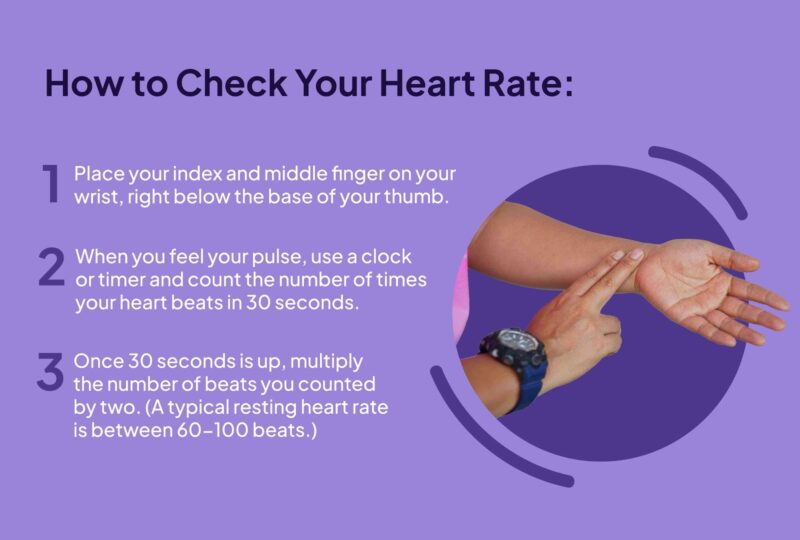
- Place two fingers on your wrist or neck to feel the pulse.
- Count the beats for 30 seconds.
- Double that number for beats per minute.
What the numbers mean:
- 60 to 100 is normal for most adults
- Below 60 often means very fit (like athletes)
- Over 100 may need a doctor check
Do this test in the morning after waking. It shows your base level best.
Many people see their rate drop after weeks of walking. That’s a big win!
Brisk Walk or Step Test
Try a walk to check endurance.
Easy way:
- Find a safe path.
- Walk fast for 10 to 15 minutes. You should breathe harder but still talk.
- Note how you feel after.
Or do a step test at home:
- Step up and down on a low stool for 3 minutes.
- Rest for 1 minute.
- Check your heart rate again.
Lower recovery rate means better fitness.
Add brisk walks daily. They burn calories and build heart strength.
Testing Muscle Strength at Home
Strong muscles help you lift things and stay balanced.
Push-Up Test
Push-ups show upper body power.
How to do it right:
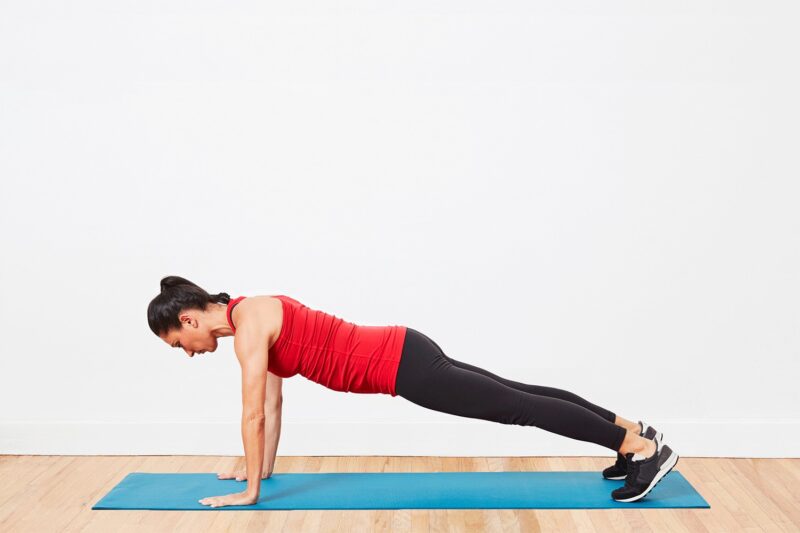
- Start on the floor face down.
- Hands under shoulders.
- Keep your body straight like a board.
- Lower chest near floor, then push up.
- Count good ones without stopping.
Beginners can do knee push-ups.
Average numbers:
- Men ages 20-30: 15 to 30
- Women ages 20-30: 10 to 20 (knee version)
- More is better!
Practice a few each day to get stronger.
Squat Test for Legs
Stand and lower like sitting in a chair, then stand up.
Do as many as you can in 1 minute.
Strong legs help with walking and stairs.
Checking Muscle Endurance
Endurance means muscles last longer.
Plank Hold Test
Plank works your core.
Steps:
- Rest on forearms and toes.
- Keep your body straight.
- Hold as long as you can with good form.
- Time it.
Good holds:
- Beginners: 20 to 40 seconds
- Better: 1 minute or more
Plank helps posture and back health.
Do shorter holds often to build up.
Wall Sit Test
Lean against a wall like sitting.
Hold as long as possible.
This builds leg endurance.
Flexibility Tests You Can Do Anywhere
Flexible bodies move easily and hurt less.
Sit and Reach Test
This checks the back and legs.
Steps:
- Sit on the floor with legs straight.
- Feet flat against a box or wall.
- Reach forward with both hands.
- Mark how far you go.
Touch toes are average. Past toes are good.
Stretch daily to improve.
Warm up first to avoid pulls.
Shoulder Reach Test
Reach one arm over shoulder and one behind back.
See if fingers touch.
Good flexibility helps daily tasks like dressing.
Body Composition Simple Checks
This looks at fat versus muscle.
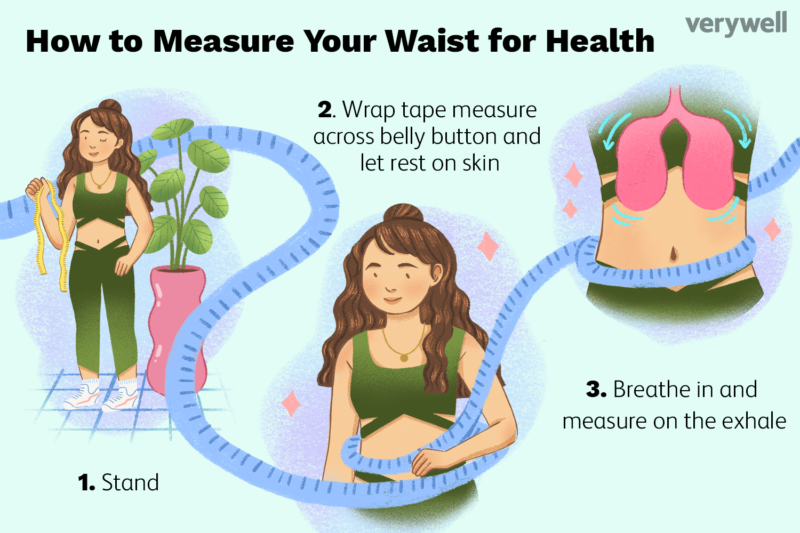
Waist Measure
Use a tape.
Measure around the belly button.
Healthy:
- Men: Less than 40 inches
- Women: Less than 35 inches
Smaller waist lowers health risks.
How Clothes Fit
Notice if pants feel loose. That’s a sign of better composition.
Eat veggies, protein, and whole grains to help.
Daily Habits to Improve Your Scores
TheSpoonAthletic loves small changes.
Try these:
- Walk 20 minutes most days
- Drink water instead of soda
- Eat colorful foods
- Sleep 7 to 8 hours
- Stretch in the morning
- Add fun moves like dancing
For more tips, check this fitness tip of the day.
See safe ways in this injury prevention guide.
Read the full guide to a fit life.
Common Mistakes to Avoid
Beginners sometimes:
- Push too hard too soon
- Forget to warm up
- Compare to others
- Skip rest days
- Ignore pain
Listen to your body. Start slow. Build up.
How to Track Progress Over Time
Use a notebook or phone app.
Write:
- Date
- Test name
- Result
Check every 4 weeks.
Celebrate improvements, like holding planks longer.
Share with a friend for support.
Tips for Staying Motivated
Make it fun:
- Play music during tests
- Reward yourself after
- Join online groups
- Set tiny goals, like 5 push-ups more
- Remember why you started – more energy, feel good
Safety First Always
Talk to a doctor if you have health problems.
Stop if you feel dizzy or sharp pain.
Breathe during tests.
Wear comfy clothes and shoes.
Stay hydrated.
More Easy Home Exercises to Build Fitness
Add these after testing:
- March in place
- Arm circles
- Leg lifts
- Toe touches
- Deep breaths
They help all areas.
Nutrition Tips for Better Fitness
Food fuels your body.
Eat:
- Fruits and veggies daily
- Lean meats or beans
- Nuts for snacks
- Whole grains like oats
Avoid too much sugar.
Simple meals work best.
Mindset for Long-Term Success
Think positive.
Say: “I can improve a little each day.”
Forgive slip-ups.
Focus on how you feel, not just looks.
FAQs About How to Check Body Fitness TheSpoonAthletic
What does “how to check body fitness thespoonathletic” mean?
It means using easy, no-equipment home tests to see how fit your body is. TheSpoonAthletic teaches simple ways for beginners to measure heart health, strength, flexibility, and more without a gym.
Do I need any special tools or equipment?
No! You only need your body, a timer (like on your phone), a tape measure for waist, and maybe a chair or wall. Everything is free and at home.
How often should I do these fitness tests?
Test once every 4 to 6 weeks. This lets you see real progress without testing too much. Daily exercise is good, but save full tests for monthly checks.
What is the easiest test to start with?
Start with the resting heart rate test. Sit quietly, find your pulse, and count beats for 30 seconds. Double the number. It takes less than 2 minutes and shows heart fitness fast.
I’m a total beginner. Can I still do these tests?
Yes! Every test has an easier version. For example:
- Do push-ups on your knees or against a wall.
- Hold a plank for just 10–20 seconds at first.
- Walk slowly if brisk feels hard.
What if my test results are low or “bad”?
That’s okay! Low results just show your starting point. Everyone begins somewhere. Use the numbers to set small goals, like “hold plank 5 seconds longer next month.”
In Conclusion: Take Control of Your Fitness Journey
How to check body fitness thespoonathletic is all about simple home steps that anyone can do. Use heart rate checks, push-ups, planks, reaches, and measures to see your level. Add daily walks, good food, and stretches for progress.
These tests show you real results. They build confidence and healthy habits that last. Beginners find this way easy and fun.
You have the tools now. Start small and keep going.
Which test will you try first today?
References
- Fitness Tip of the Day TheSpoonAthletic – Shares daily tips for beginners and wellness seekers who want quick, easy ideas.
- TheSpoonAthletic Fitness Tips Guide – Full advice on routines, food, and mindset for home exercisers and lifestyle changers.
- Sports Injury Prevention Guide – Helps active people stay safe, great for casual exercisers learning good form.