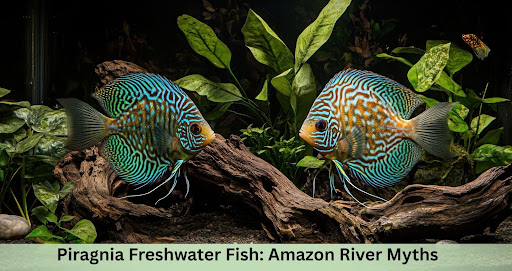
Piragnia: Debunking Myths and Uncovering Facts About This Amazon Freshwater Fish
Have you ever heard tales of fish that strip flesh from bones in seconds1? That’s the stuff of movies, but the real story of piragnia paints a different picture. Piragnia, often called the piranha fish, lives in the warm waters of South America’s Amazon basin. This amazon freshwater fish belongs to the Serrasalmidae family and sparks curiosity among nature lovers and aquarium keepers alike.
People search for piranha facts and piranha myths because these dangerous fish species have a fearsome reputation. Yet, experts agree: piragnia plays a key role in its ecosystem as a carnivorous fish that mostly scavenges and forages. In this guide, we’ll explore its background, behavior, and care tips. Whether you’re a hobbyist eyeing red-bellied piranha species or a student diving into amazon river animals, you’ll find clear, science-backed info here. Let’s separate fact from fiction on this south american fish species.
The Habitat of Piragnia: Thriving in Tropical River Systems
Piragnia calls the Amazon River and its tributaries home. These tropical river species prefer slow-moving waters rich in plants and nutrients. During the rainy season, flooded forests turn into vast feeding grounds. This setup helps piragnia find food and hide from bigger predators.
Key facts about piranha habitat conditions include:
- Water Temperature: Stays warm at 75-82°F (24-28°C), matching the Amazon’s heat.
- pH Levels: Slightly acidic, around 6.0-7.5, with soft water.
- Depth and Flow: Shallow streams and pools, not fast rapids.
In the wild, fish species found in the amazon like piragnia migrate seasonally. They move into flooded areas to spawn, boosting the amazon ecosystem fish balance. Deforestation threatens these spots, but conservation efforts aim to protect them. For more on Amazon wildlife, check out this detailed guide on freshwater myths.
Fun stat: The Amazon holds over 3,000 fish species, with piragnia among the most famous exotic freshwater fish. This diversity supports a web of life where piranha behavior aids in cleaning up dead matter.
Piranha Myths vs. Facts: Busting Common Misconceptions
Hollywood loves piranha myths, like swarms devouring cows or humans in minutes. But what’s the truth? Misconceptions about piranhas stem from old explorer tales and films. In reality, piragnia attacks on humans are rare—fewer than 100 documented cases since the 1800s, mostly nips during low water when fish feel cornered.
Here’s a quick myth-buster list:
- Myth: Piragnia are always hungry killers.Fact: They scavenge more than hunt. Most meals come from fruits and dead fish, not live chases.
- Myth: One bite leads to a frenzy.Fact:Schooling behavior in piranhas helps defense, not mass attacks. They scatter from threats.
- Myth: All piranhas are the same.Fact: Over 60 species exist. The red-bellied piranha gets aggressive in dry seasons, but others stay calm.
- Are piranhas dangerous to humans? Yes, but like a badger—defensive, not predatory. Bites hurt but are rarely fatal.
- Piranha attack myths often ignore context: Most happen to fishermen handling bait.
For deeper dives, explore this beginner’s overview on why piranhas are misunderstood animals. These facts reassure explorers and educators that piragnia deserves respect, not fear.
Piragnia Diet and Feeding Habits: What Do They Really Eat?
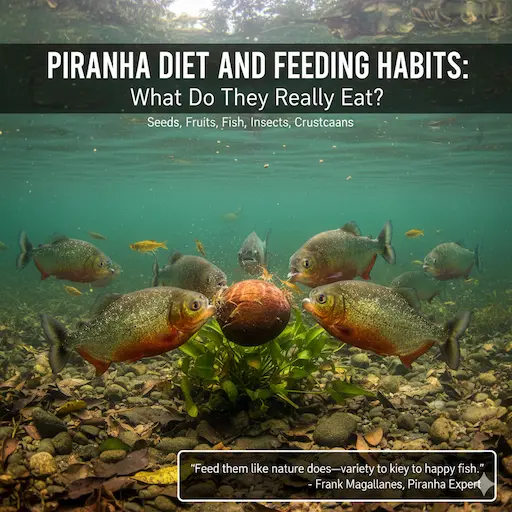
Curious about what do piranhas actually eat in the wild? Piranha feeding habits surprise many. Far from pure carnivores, these carnivorous fish munch on a mix of plants and animals. Their sharp teeth slice through tough seeds and flesh alike.
Break it down:
- Main Foods: Seeds, fruits (like those from rubber trees), small fish, insects, and crustaceans.
- Wild Habits: During floods, they feast on fallen fruits—up to 80% plant matter for some species. This piranha diet in the wild helps spread seeds, aiding forest regrowth.
- Hunting Style: Ambush tactics for small prey, not chases. How piranhas hunt in the amazon river involves group signals, like fin flicks.
In captivity, mimic this variety. Offer live shrimp, flakes, and veggies. Avoid overfeeding meat—it leads to health issues. Piranha facts show a balanced diet keeps them lively and colorful.
Quote from expert Frank Magallanes, a piranha keeper for 60+ years: “Feed them like nature does—variety is key to happy fish.”
Behavior of Piragnia: Social Swimmers with Surprising Smarts
Watch piranha behavior in action, and you’ll see clever survivors. These predatory freshwater fish form schools for safety, using sights and sounds to communicate. Unlike lone wolves, they thrive in groups of 20-100.
Key behaviors include:
- Social Bonds: Loose schools during day; tighter at night for rest.
- Communication: Grunts and jaw snaps signal danger or food.
- Daily Rhythm: Active at dawn and dusk, resting midday.
Real behavior of freshwater piranha fish debunks the frenzy image. They clean wounds in groups and even “farm” fish by herding smaller species. For students of aquatic biology, this shows piragnia as ecosystem helpers, not villains.
Did you know? How strong is a piranha bite force? Up to 320 pounds per square inch—stronger than a human’s, but used for cracking nuts, not people. That’s reassuring for anyone near Amazon waters.
Size, Lifespan, and Physical Traits of Piragnia
Piranha size and lifespan vary by species. Most grow to 8-12 inches (20-30 cm), with lifespans of 5-10 years in the wild. The red-bellied piranha, a popular type, reaches 14 inches and lives up to 15 years in aquariums with good care.
Physical highlights:
- Body: Streamlined, silver scales with red bellies in adults2.
- Teeth: Triangular and razor-sharp, replaced like shark teeth.
- Senses: Keen smell for food, large eyes for low light.
These traits suit amazon river animals, helping them navigate murky waters. Difference between red-bellied piranha and black piranha? Reds are bolder; blacks stay deeper and shyer.
Keeping Piragnia in Aquariums: Care Tips for Hobbyists
Dreaming of exotic freshwater fish at home? Can piranhas live in home aquariums? Yes, but check rules first. Legal restrictions for keeping piranhas as pets ban them in places like California and Texas due to invasive risks. In the UK or parts of Europe, they’re okay with permits.
Essential tank requirements for piranha fish:
- Size: Minimum 55 gallons for one; 100+ for schools. Bigger means less stress.
- Setup: Dark substrate, plants, and hiding spots. Strong lid—they jump!
- Water Changes: Weekly 25% to keep params stable.
- Feeding Schedule: 2-3 times weekly; mix meat and veggies.
- Tank Mates: Avoid small fish; pair with cichlids or plecos.
Piranhas as aquarium fish need commitment. Start with juveniles to bond. Pro tip: Dim lights calm them. For legality details, visit your local wildlife agency, like California’s invasives page.
Common query: How deadly are piranhas compared to other fish? Less than pufferfish toxins, but their nips add up—handle with nets.
Conservation and Role in the Amazon Ecosystem
Piragnia faces threats from logging and pollution. Yet, they boost biodiversity by controlling insect pests and dispersing seeds. Scientific facts about piranha species highlight their value: One study found they eat 1,000+ tons of fruit yearly, fertilizing soils.
Efforts include protected areas in Brazil. As bioindicators, their health signals river quality3. Conservationists urge sustainable fishing—piragnia isn’t endangered, but habitat loss worries experts.
For educators, teach myths and facts about amazon piranha fish to spark interest. Share: Attacks dropped 70% with better fishing practices.
Piragnia in Culture and Science: Beyond the Bites
From indigenous lore to labs, piragnia fascinates. Amazon tribes view them as spirits, using teeth for tools. Modern science studies their bite force for robotics.
Stats: Over 30 species identified, with DNA mapping ongoing. They’re not just dangerous fish species—they’re evolutionary marvels.
If math intrigues you, consider simple geometry in nature, like how school shapes mimic patterns.
FAQ: Quick Answers on Piragnia
Are piranhas dangerous to humans?
No, not really. Attacks are rare—fewer than 100 recorded since the 1800s. Most bites happen to fishermen or swimmers in low water when fish feel trapped. Piragnia avoid humans and scatter from splashing.
What do piranhas actually eat in the wild?
Mostly plants and seeds, not just meat!
- Up to 80% of their diet is fruits, nuts, and seeds that fall into the Amazon.
- They also eat small fish, insects, and dead animals. They’re scavengers, not hunters.
Can piranhas live in home aquariums?
Yes — but only with big tanks and legal permission.
- Minimum 55 gallons for one fish; 100+ gallons for a school.
- Need strong filtration, hiding spots, and weekly water changes.
- Illegal in many U.S. states (e.g., California, Texas) due to invasive risk. Check your local laws first!
Myths and facts about Amazon piranha fish — what’s real?
| Myth | Fact |
| They devour a cow in minutes | False — they nibble, don’t swarm live prey |
| Always attack in blood frenzies | False — schools are for protection, not hunting |
| All piranhas are killers | False — over 60 species; most are shy |
| They only eat meat | False — many are mostly vegetarian |
How strong is a piranha bite force?
Up to 320 pounds per square inch — stronger than a human’s!
But they use it for cracking seeds and nuts, not attacking people4.
Source: BBC Science & Journal of Experimental Biology
What’s the difference between red-bellied piranha and black piranha?
| Trait | Red-Bellied Piranha | Black Piranha |
| Color | Silver with red belly | Dark gray/black |
| Temperament | Bolder, more active | Shyer, deeper water |
| Size | Up to 14 inches | Up to 16 inches |
| Diet | More carnivorous | Eats more plants |
Conclusion: Embracing the Real Piragnia
In wrapping up, piragnia emerges as a vital amazon freshwater fish, far from the monster myths. From piranha habitat conditions in lush rivers to feeding habits that sustain ecosystems, this exotic freshwater fish teaches balance. Aquarium fans, note the care needs; enthusiasts, cherish the facts. Backed by science, piragnia reminds us nature’s wonders outshine sensational tales.
What surprises you most about piragnia—its diet or shy side? Share in the comments!
References
- California Department of Fish and Wildlife: Piranha Invasives. ↩︎
- Aqua-Fish.net: Piranhas as Aquarium Fish (2014). ↩︎
- American Oceans: Are Piranhas Dangerous? (2024). ↩︎
- World Atlas: Piranha Facts (2017). ↩︎
